
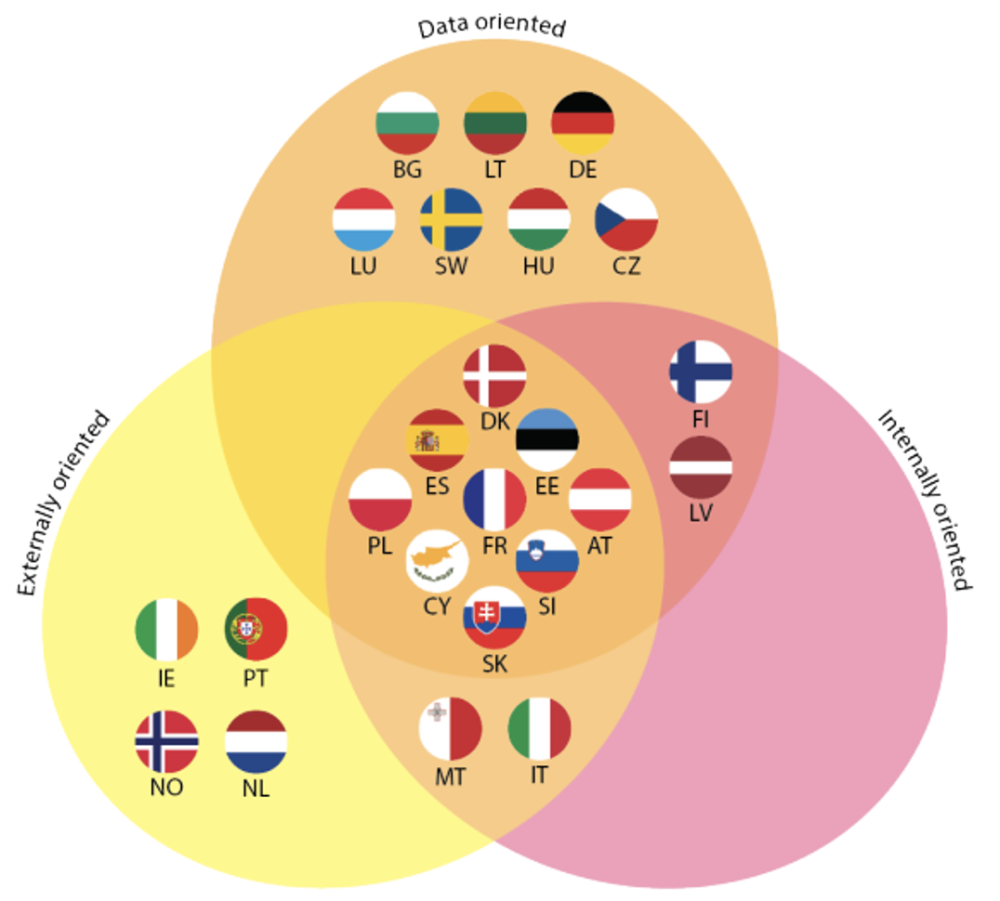
As researchers at the University of Economics – Varna, our work sits at the intersection of economic theory and technological evolution. Recently, the European Commission released its latest report on Open Data Maturity (ODM), a document acting as a vital barometer for the digital health of the continent. For those of us dedicated to the study of Artificial Intelligence in education, this report goes beyong a collection of statistics; it is a roadmap for the "data fuel" required to power the next generation of educational tools.
The report highlights a significant shift in the European landscape: we are moving past the era of simply publishing data to an era of maximizing its Impact. The assessment is built on four pillars—Policy, Portal, Quality, and Impact. While many nations have checked the boxes for policy and portal infrastructure, the real challenge lies in the "Quality" and "Impact" dimensions. High-quality, machine-readable data is the prerequisite for ethical AI. Without it, our algorithms for personalized learning or institutional resource management are prone to bias and inaccuracy. The trend is clear: Europe is prioritizing "high-value datasets"—those containing the greatest potential to boost the economy and improve public services.
When we look specifically at Bulgaria, the report reflects a nation in a state of transition, often characterized as a "Follower" or "Fast-tracker" depending on the specific year’s metrics. Bulgaria has made commendable strides in establishing a centralized national Open Data portal and laying the regulatory groundwork; however, a tangible gap remains between data availability and its active reuse. In the context of our research here in Varna, this represents both a challenge and an opportunity. While the technical infrastructure is largely in place, a pressing need exists to foster a more robust culture of data literacy and collaboration between the public sector and academic institutions. For Bulgaria to climb into the "Trend-setter" category, we must move beyond the administrative task of uploading files and focus on creating "success stories"—demonstrating how open data can solve local problems, such as optimizing school distributions or predicting labor market needs for graduates.
Ultimately, for the University of Economics – Varna, understanding and handling data is no longer a peripheral skill; it becomes a core institutional competency. As part of the broader European ecosystem, our ability to navigate open data frameworks determines our competitiveness in international research and our capacity to innovate. If we wish to lead in AI-driven education, we must be masters of the data needed for those systems. By aligning our research with European standards of data quality and interoperability, we ensure the solutions developed in Varna are scalable, ethical, and capable of contributing to the collective digital sovereignty of the European Union.
Link to the framework: https://data.europa.eu/en/publications/reports/framework-open-data-maturity-country-profiles-and-clusters
Follow us on social media: https://www.linkedin.com/feed/update/urn:li:activity:7414691227473952769
07 Jan 2026